What Nobody Tells You About College Football 2026: Complete Season Guide
`html What Nobody Tells You About College Football 2026: Complete Season Guide College football enters a transformative 2026 season with expanded conference realignment, the College Football Playof...
What Nobody Tells You About College Football 2026: Complete Season Guide
College football enters a transformative 2026 season with expanded conference realignment, the College Football Playoff maintaining its 12-team format, and emerging powerhouse programs challenging traditional dynasties. Indiana captured the 2025 CFP National Championship in January, defeating Oregon 27-21 at the Peach Bowl, marking the Hoosiers' first title in program history. The 2026 season begins August 22, featuring an international opener between North Carolina and TCU at Dublin's Aviva Stadium. ESPN, NBC, and CBSSN broadcast matchups across 15 weeks of regular-season action before bowl season commences December 13. Conference powerhouses including SEC programs, Big Ten contenders, and Big 12 competitors battle for playoff positioning through November.
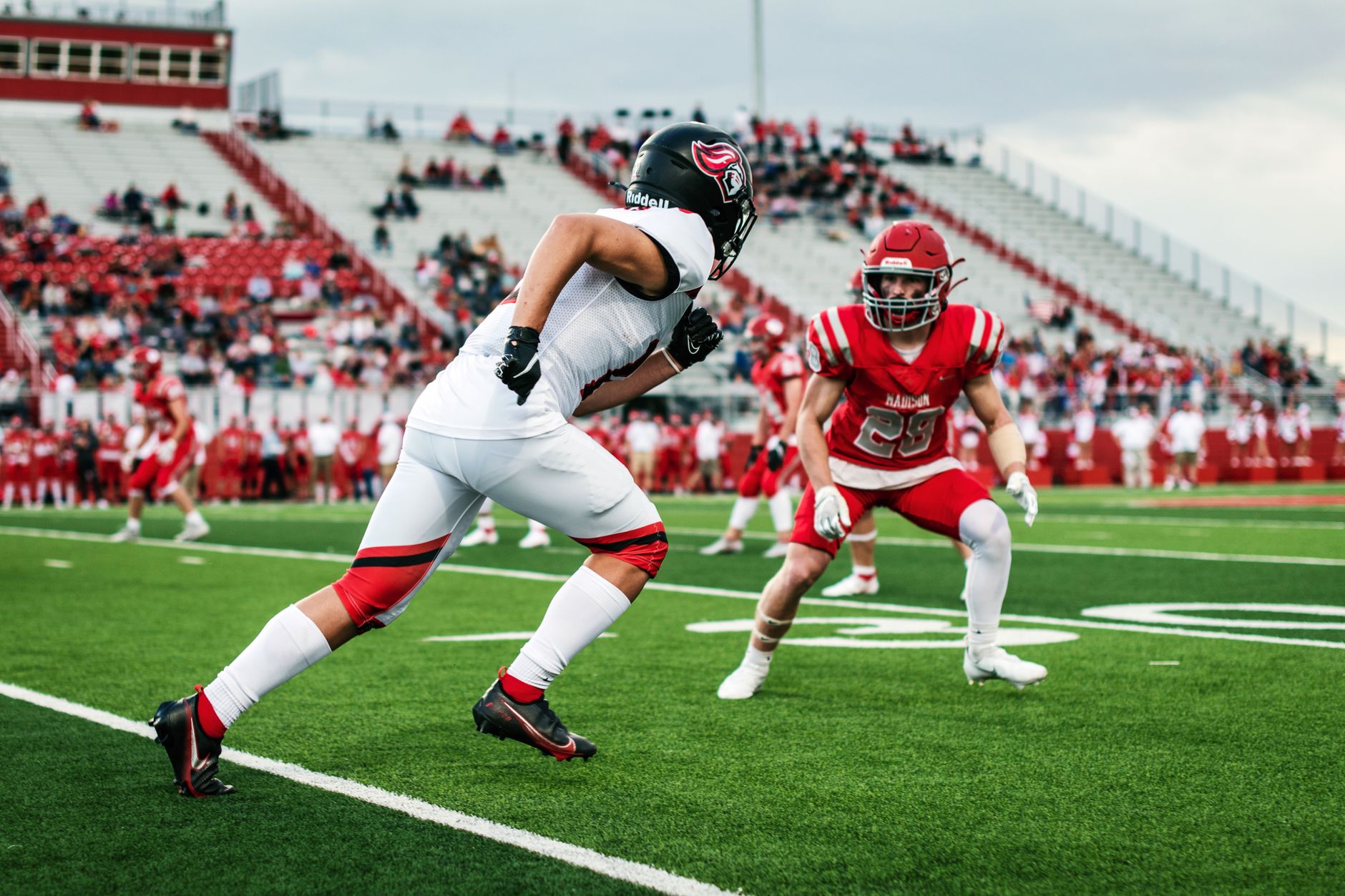
Photo by Tim Mossholder on Pexels
Step 1: Understanding the 2026 College Football Playoff Structure
The College Football Playoff enters its third year with the 12-team format that revolutionized postseason competition. Four byes go to the top four conference champions, while teams seeded fifth through twelfth compete in first-round matchups during December. The 2027 CFP National Championship scheduled for January 25, 2027, will take place at Allegiant Stadium in Las Vegas, Nevada.
The selection committee evaluates teams based on win-loss records, strength of schedule, conference championship performance, and head-to-head results. Indiana's championship run demonstrated that Group of Five conference champions can compete against Power Four programs when matchups align favorably. Teams must navigate conference schedules while building profiles that impress committee members who convene weekly during November.
Understanding playoff qualification requirements helps fans track their favorite teams' paths toward contention. No conference receives automatic bids—every participant earns positioning through performance. The committee's rankings release every Tuesday beginning in late October, creating weekly drama as bubble teams either solidify or lose their positioning.
Step 2: Conference Schedules and Power Rankings Breakdown
The SEC continues operating with 16 members following Texas and Oklahoma's 2024 arrival, producing the nation's most competitive regular-season gauntlet. Alabama, Georgia, and LSU anchor the conference's championship aspirations, though programs like Ole Miss and Tennessee demonstrate improved depth annually. The Big Ten expanded to 18 schools, creating geographical challenges that affect travel costs and competitive balance.
FBS conferences structure their schedules between intra-division and cross-divisional games, typically requiring teams to complete 8-9 conference matchups annually. Week-by-week schedules release in late spring, allowing coaches and fans to identify critical stretches that determine championship outcomes.
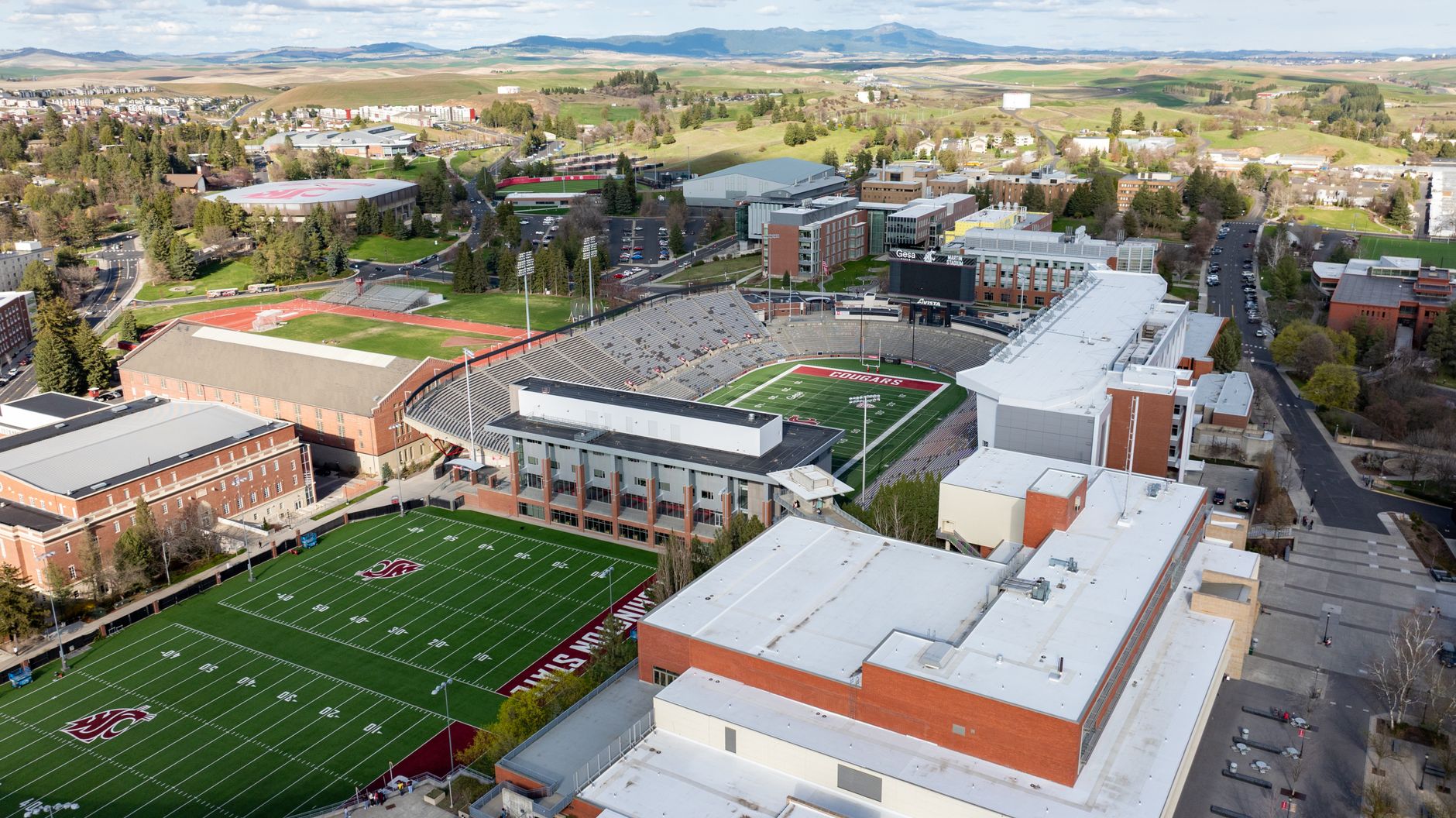
Photo by Eric Lozaga on Pexels
Conference championship games occur in early December, featuring divisions winners competing for automatic playoff berths. The ACC, Big 12, Pac-12 (now operating without the traditional name brand), Mountain West, and American represent additional pathways toward postseason glory. Independent programs like Notre Dame, BYU, and Army schedule independently while pursuing at-large playoff consideration.
Divisional alignment matters significantly—teams in weaker divisions face smoother roads toward championship appearances despite comparable overall strength. Schedule analysis reveals hidden advantages that savvy observers exploit when evaluating championship contenders versus pretenders.
Step 3: Analyzing the Way-Too-Early Top 25 Rankings
Early 2026 projections place Ohio State, Georgia, and Texas among the preseason favorites following their 2025 performances. Notre Dame hired Leonard Moore as head coach, signaling commitment to competitive excellence that could elevate the Fighting Irish into perennial contenders. Oregon returns quarterback Dante Moore, who established himself among the nation's premier signal-callers during his freshman campaign.
The Heisman Trophy race commences immediately upon season kickoff, with Vegas oddsmakers posting futures that fluctuate based on spring practices and summer developments. Quarterbacks dominate recent voting patterns, though running backs and defensive players occasionally emerge as serious candidates. Way-too-early Heisman contenders list typically includes 8-12 names by late January.
Ranking methodology considers returning starters, coaching continuity, recruiting class strength, and schedule difficulty. Programs losing multiple starters face steeper climbs toward relevance, while teams returning experience at quarterback position enjoy immediate championship aspirations. Transfer portal activity reshapes rosters dramatically between December and spring practice, complicating early projections.
The tactical review of top-25 rankings reveals patterns that differentiate legitimate contenders from paper tigers. Championship-caliber teams typically feature experienced offensive lines, multiple receiving threats, and defensive units that generate consistent pressure. Young rosters with exceptional talent but limited experience often start strong before fading during conference play.
Step 4: Key Matchups and Games to Watch This Season
Week 1 features compelling storylines beyond the Dublin opener. USC hosts San Jose State at the Los Angeles Memorial Coliseum, with the Trojans heavily favored despite significant roster transitions. NC State travels to Virginia in an ACC coastal clash that could determine divisional positioning come November.
Bowl season matchups between Power Four champions and Group of Five standouts produce memorable moments annually. The New Year's Six bowl selection process assigns conference champions to premium matchups while at-large selections fill remaining spots based on committee rankings. Traditional powers dominate these selections, though upset victories occasionally reshape perceptions regarding conference hierarchies.

Photo by George Zografidis on Pexels
Mid-season Thursday and Friday night games disrupt weekly routines while generating increased television viewership. These prime-time windows showcase conference rivalry matchups that determine championship participants. Programs hosting these events benefit from extended preparation time while opponents adjust schedules accordingly.
Late-season games carry exponentially higher stakes as playoff positioning crystallizes. Upset victories in November can vault teams from outside the playoff picture into automatic qualification, while losses eliminate contenders regardless of earlier success. The selection committee weights late-season performance heavily, rewarding teams that peak when championships remain achievable.
Step 5: Verifying Your College Football Knowledge
Testing your understanding of college football's evolving landscape requires examining multiple data sources simultaneously. ESPN's schedule database provides comprehensive game information including broadcast details, venue specifications, and betting lines. The NCAA maintains official statistics, rankings, and historical records that establish authoritative baselines.
Comparing information across platforms reveals discrepancies that require verification through primary sources. Betting odds published by licensed sportsbooks reflect market consensus regarding team strength assessments. These lines incorporate injury reports, weather forecasts, and historical matchup data that inform predictions.
Tracking your predictions throughout the season measures improvement over time. Successful analysis requires acknowledging uncertainty while pursuing information advantages over casual observers. Following recruiting developments, transfer portal movements, and coaching changes provides context that statistical analysis cannot capture.
Building expertise demands consistent engagement with the sport across multiple seasons. Patterns emerge from accumulated experience that novices cannot recognize. Developing proprietary evaluation frameworks separates informed enthusiasts from casual followers.
Troubleshooting Common Failures
Many fans misinterpret conference strength when evaluating playoff candidates. The SEC's reputation for competitive depth occasionally leads observers to overrate marginal SEC teams while underestimating Big Ten or ACC contenders with superior actual metrics. Cross-conference comparisons require adjusting for schedule difficulty differences.
Bowl game results frequently mislead casual observers who assume performance correlates directly with team quality. Declaring a team "exposed" based on single-game outcomes ignores variance inherent in football competition. Programs missing key players due to injury, academic suspension, or NFL draft preparation face disadvantages that distort final scores.
Coaching carousel movements disrupt program stability in ways that immediate results cannot capture. Teams hiring new head coaches typically experience 2-3 year transition periods before reaching full potential. Patience with developmental processes separates realistic expectations from fantasy projections.
Recruiting rankings correlate imperfectly with immediate on-field success. Programs consistently landing top-five classes occasionally struggle against overachieving teams with lesser talent but superior development systems. Cultural cohesion, coaching continuity, and player development programs matter more than recruiting metrics alone.
Frequently Asked Questions
What is the College Football Playoff format in 2026?
The 2026 College Football Playoff features 12 teams competing through elimination rounds. The top four conference champions receive first-round byes, while seeds five through twelve play first-round games in December. The national championship game occurs January 25, 2027, at Allegiant Stadium in Las Vegas. Selection occurs through committee rankings based on win-loss records, strength of schedule, and conference championship performance.
How can I watch college football games in 2026?
Major networks including ESPN, NBC, and CBSSN broadcast college football matchups throughout the season. Streaming platforms ESPN+ and Paramount+ provide additional coverage options. Conference-specific networks like SEC Network and Big Ten Network air regional games. Subscription packages vary by provider, with most services offering comprehensive coverage starting around $30 monthly.
Which conferences have the strongest college football programs?
The SEC and Big Ten consistently produce the nation's strongest programs, with both conferences featuring multiple top-25 teams annually. The ACC and Big 12 round out the Power Four conferences that dominate playoff selections. Mountain West and American Conference programs occasionally earn New Year's Six bowl berths, though Power Four teams win approximately 85% of such matchups historically.
Why did Indiana win the 2025 national championship?
Indiana captured the 2025 CFP National Championship by defeating Oregon 27-21 in the Peach Bowl semifinals before winning the title game. The Hoosiers maximized their opportunities through strong quarterback play, opportunistic defense, and favorable playoff bracket positioning. Their victory demonstrated that Group of Five programs can compete effectively when playoff format allows access.
How do bowl game selections work?
Bowl game selections occur through a tiered system prioritizing conference champions and top-ranked teams. The New Year's Six bowls (Rose, Sugar, Orange, Cotton, Peach, Fiesta) rotate conference affiliations and select top matchups. Other bowl games maintain agreements with specific conferences, selecting teams based on contractual obligations and available records. The selection committee influences placement through rankings that guide bowl decisions.
What factors determine college football rankings?
Selection committee rankings consider win-loss records, strength of schedule, conference championships, head-to-head results, and common opponent performance. Advanced metrics like SP+ and FPI supplement human evaluation with quantitative analysis. Injuries, weather, and other situational factors receive consideration but carry less weight than documented performance.
When does the 2026 college football season start?
The 2026 college football season officially begins August 22 with Week 1 matchups, including the North Carolina versus TCU game at Dublin's Aviva Stadium. Conference play intensifies throughout September, with non-conference games interspersed through October. Championship weekend occurs in early December, followed by bowl season beginning mid-December and extending through January 2027.
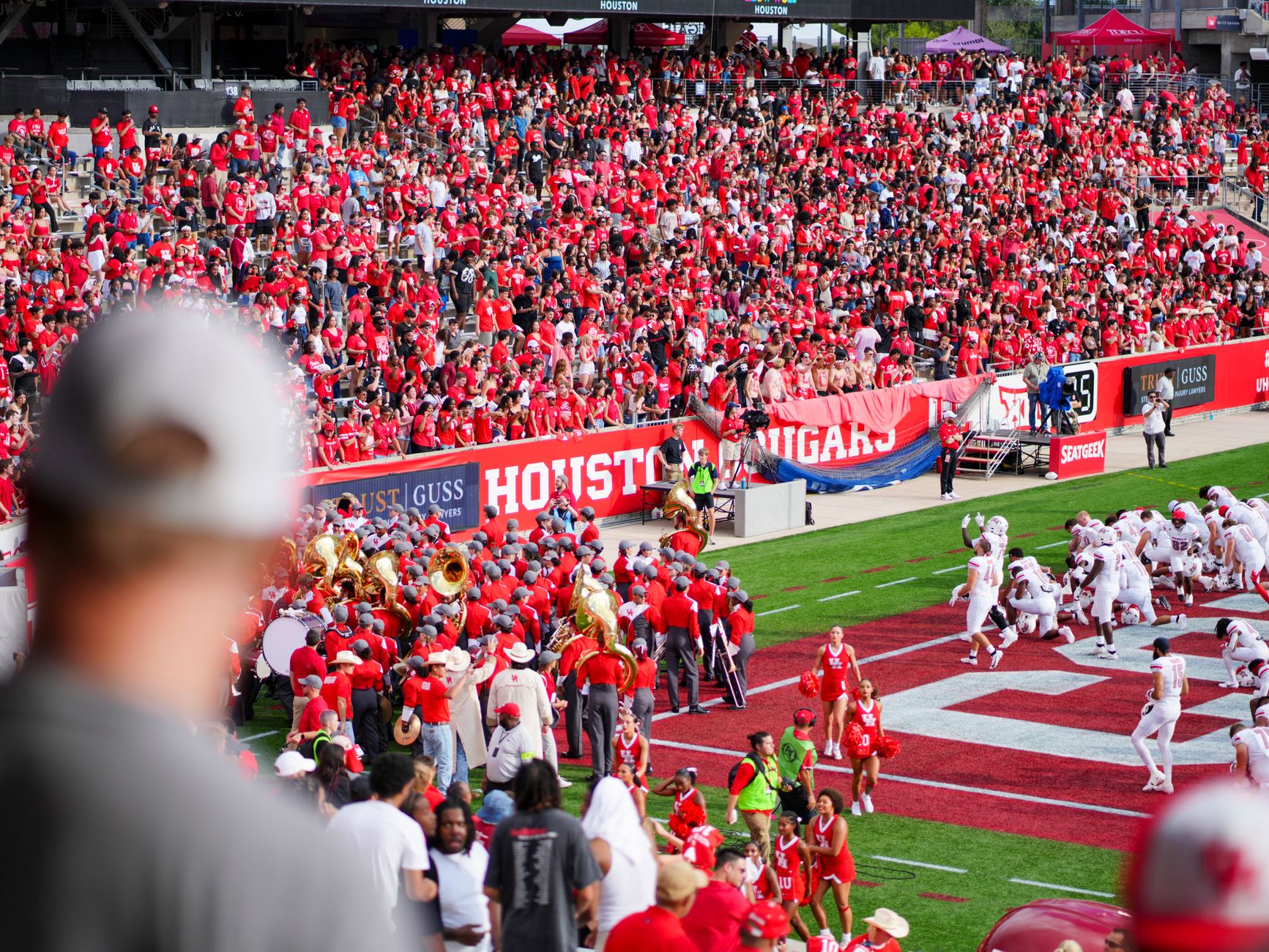
Photo by Eddie O. on Pexels